


Wholesale Women’s Clothing: Trends, Tips, and Best Practices
In the ever-evolving world of fashion, women’s clothing wholesale has emerged as a vital market segment catering to the diverse styles and preferences of women. As retailers and brand owners seek to expand their offerings, understanding the nuances of wholesale purchasing becomes crucial. This article delves into the latest trends, effective sourcing strategies, and valuable tips for success in wholesale women’s clothing.
Understanding the Wholesale Women’s Clothing Market
The wholesale women’s clothing market is characterized by its dynamic nature. With new trends emerging at a rapid pace, staying updated is essential for retailers. The market encompasses a broad range of clothing types, from casual wear to formal dresses, activewear, and seasonal collections. According to industry reports, the demand for sustainable and ethically produced clothing has surged, with consumers increasingly favoring brands that align with their values.
Current Trends in Women’s Clothing
Sustainability and Eco-Friendly Materials
Eco-consciousness is no longer just a trend; it’s a movement that shapes consumer behavior. Wholesale suppliers are increasingly incorporating sustainable materials into their collections, such as organic cotton, recycled polyester, and Tencel. Retailers should seek partnerships with wholesalers who prioritize sustainability to meet customer expectations while contributing positively to the environment.
Diversity and Inclusivity
The fashion industry is finally embracing diversity, with more brands offering inclusive sizing and designs that celebrate various body types. Retailers looking to source women’s clothing should consider wholesalers that provide a broad range of sizes and styles, catering to a diverse customer base. This not only enhances brand reputation but also drives sales by appealing to a wider audience.
Comfort Meets Style
The shift towards comfortable clothing has accelerated in recent years, particularly following the pandemic. Consumers are prioritizing comfort without compromising on style. Wholesalers focusing on athleisure wear, loungewear, and versatile pieces that can transition from work to home are set to thrive in this environment. Retailers should pay attention to fabric choices and design elements that promote comfort and ease of movement.
Sourcing Strategies for Wholesale Women’s Clothing
Choosing the Right Supplier
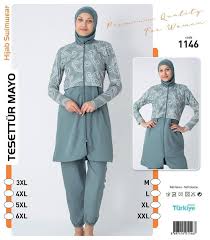
One of the most critical steps in the wholesale purchasing process is selecting the right supplier. Retailers should conduct thorough research to evaluate potential suppliers based on factors such as reputation, quality of products, customer service, and turnaround times. Attending trade shows and networking events can provide valuable insights into leading suppliers in the market.
Building Strong Relationships
Establishing strong relationships with suppliers can lead to better pricing, priority access to new collections, and reliability in order fulfillment. Frequent communication and transparency about expectations can foster trust, enabling a successful partnership. Retailers should also consider visiting suppliers’ facilities to assess their production processes, quality control measures, and working conditions.
Leveraging Technology
The use of technology in sourcing and inventory management has revolutionized the wholesale process. Retailers should utilize digital platforms and software that streamline communication with suppliers, manage orders, and track inventory levels. Enhanced visibility into supply chain processes can facilitate timely decision-making and improve overall operational efficiency.
Marketing Wholesale Women’s Clothing
Identifying Your Target Audience
Understanding the target audience is imperative for effective marketing. Retailers should conduct market research to identify the preferences, shopping behaviors, and demographics of their customers. Creating buyer personas can help retailers tailor their marketing strategies to resonate with specific segments, ultimately driving sales.
Utilizing Social Media and Influencer Marketing
Social media is a powerful tool for promoting wholesale women’s clothing. Retailers should leverage platforms like Instagram and Pinterest to showcase their collections through high-quality visuals. Collaborating with influencers who align with the brand’s values can enhance visibility and credibility, reaching a broader audience and fostering engagement.
Creating a Compelling Online Store
An appealing and user-friendly online store is essential for attracting customers. Retailers should invest in web design that showcases their products effectively, with clear navigation and high-quality images. Incorporating customer reviews and testimonials can also build trust and encourage purchases. Additionally, optimizing the online store for mobile devices is crucial, as a significant portion of consumers shop through their smartphones.
Conclusion
The wholesale women’s clothing market presents enormous opportunities for retailers willing to adapt to changing consumer preferences. By understanding current trends, sourcing from reputable suppliers, and implementing effective marketing strategies, retailers can thrive in this competitive industry. Emphasizing sustainability, inclusivity, and comfort will not only cater to consumer demands but also set brands apart in a crowded marketplace. With the right approach, the journey into wholesale women’s clothing can be both profitable and fulfilling.


Leave A Comment